چگونه ریواس بکاریم How to grow rhubarb و نگاهی به گیاهان داروی وخوراکی دیگر

گونه ریواس گویند در دنیا شست 60 گونه است که سه گونه ان تا بحال توجه بشر را برای برای خوراکی و مسائل داروی جلب توجه کرده است.
گونه .......Rheum nobile.........گفته می شود این گونه در ایران است وبقیه در امریکا واروپا اما تجربه اینجانب گوید خیلی از گونه ها تا این تاریخ در بسیاری از کشورها ناشناخته است وتنها گیاه شناسان به لحاظ اینکه مردم نامی از انها بشناسند نامی بر روی انها گذاشتهاند ویا هنوز ناشناخته ویا زیر گونه می باشند.
گونه .............Rheum palmatum..........................
گونه .........Rheum rhaponticum...............................

Rhubarb Anthony Bratsch, Extension Specialist, Vegetables and Small Fruit Denise Mainville, Assistant Professor, Department of Agricultural and Applied Economics .
نام اصلی آن ریواچ است و ریواس و رواش از آن ریشه میگیرد در فلات شرقی ایران- فارسی زبانان آنرا به نام رواش و ریواچ میشناسند امروزه در ادبیات کتابی آنرا ریواس میگویند در افغانستان به آن چوکری هم میگویند. این چنیین گذارش شده است که
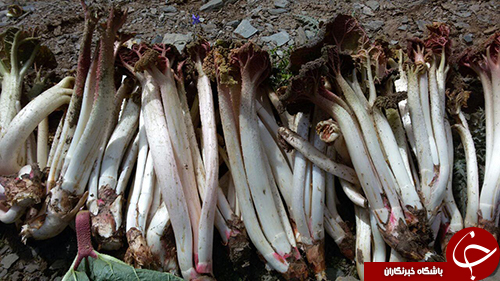
ریواس گیاهی است که بصورت طبیعی و دیمی رشد میکند و در مناطقی که گل لاله وجود دارد این گیاه نیز رشد میکند. بیشتر در مناطق کوهپایه و سردسیر رشد میکند و به آبیاری نیاز ندارد. فصل برداشت ریواس در بیشتر مناطق ایران فروردین ماه است.
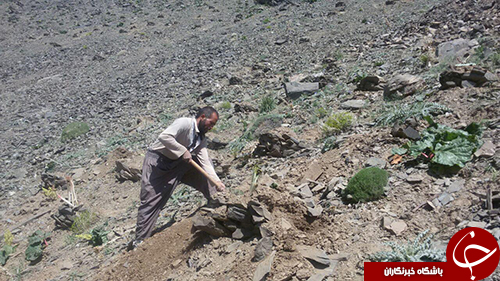
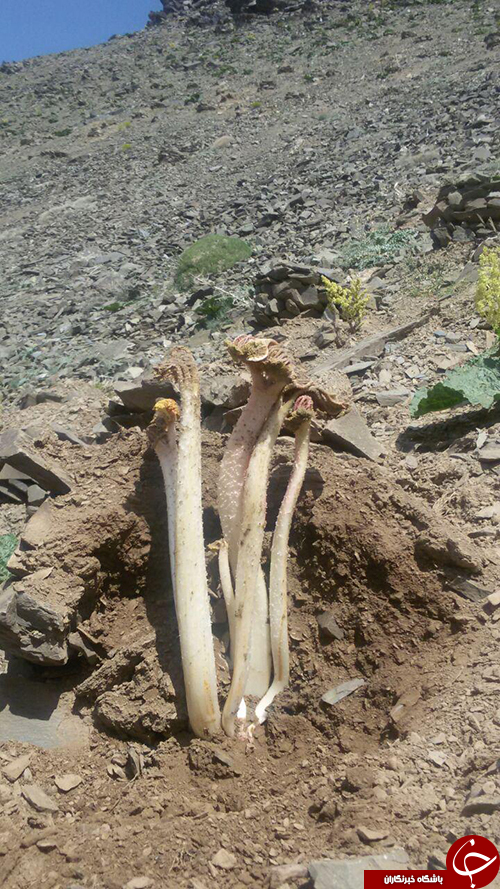
بزرگترین رویشگاه ریواس از لحاظ سطح و پراکنش گونه در مراتع شهرستان شهربابک قرار دارد.[۱] ریواس همچنین در دامنه کوههای پارک ملی موته (استان اصفهان) و در دامنه بینالود نیشابور، کوهستانهای آذربایجان و کردستان، و بلندیهای البرز در شمال تهران و همچنین در استان خراسان رضوی شهرستان گناباد و کوههای روستای رباط ترک (که این گیاه در کوههای رباط ترک و قلعه تخت کوه به طور وحشی رشد میکند) و همچنین در ارتفاعات روستای شهرک از توابع شهرستان خواف به وفور یافت میشود که در بهار روییده و بومیان با چیدن سنگ دور ساقهاش آن را پرورانده و سبب بلندتر شدن ساقهاش میگردند. این نبات در کوههای هندوکش- شمال کابل، نیز به می با شیوههای مشابه به صورت طبیعی میروید و بومیان آنرا پرورش میدهند. ریواس (رواش) سالنگ و پغمان در کابلستان شهرت فروان دارد. ریواس یکی از رهآوردهای نیشابور است. ریواس ساقه بلند و با ریواچ قاقوری که از ساقه آن شربت تهیه میکنند یک نوع ریواس است که در حاشیه کویر درزیبد گناباد میروید.
فصل تهیه قاقوری یا ساقه شربتی آن ۲۵ اسفند تا آخر فروردین است. مزه این نوع شربت مشابهه طعم انار شیرین است. نا گفته نماند که با توجه به تجربه شخصی پوشش گیاهی ایران در گذشته همه زرین سبز گیاهی بوده که مردم این کشور حتی قدر خار شتر هم نمی دانند و روز به روز توسط دامداری باز . مراتع وجنگلها نابود می گیردد وهیج گونه مدیریتی وجود ندارد. به اندازهای که مردم وکارشناسان دلسوز وقتی به ان دیار ها سفر می کنند می گیریند.
جعفری گفت ایا به منطقه ماهور ومیلاتین شهرستان ممسنی فارس ودیگر مناطق مشابه سفر کرده ای که جای سم بز وگوسفندان در دامنه تپه ها وکوه پایه ها هزاران راه برای رسیدن دانه علفی از ان را هها عبور کردهاند. وجز گرد وخاک جزی مشاهده نمی شود ایا به منطقه بخشی از سمیرم فارس سفر کرده ای که بین جاده اصفهان و یاسوج کویر را می بینی با چشم خود.


مهمترین نواحی رویش ریواس در ایران، دامنههای کوه بینالود در شهرستان نیشابور، دامنه کوههای شهرستان شهربابک در کرمان و دامنه کوههای البرز در شهرستان طالقان و کوههای کردستان می باشد. ریواس در فصل بهار به فراوانی در بازارهای محلی مناطق آذربایجان نیز یافت میشود که از دامنههای کوههای این مناطق توسط روستاییان برداشت میشود. در ایران ریواس چند گونه مختلف دارد و نوع ریواس شیرین که به آن قاقوری یا ریواچ میگویند که در دامنه کوه زیبد و دشت ریواس زیبد میروید. این نوع ریواس را کشاورزان با ریختن خاک روی ساقه گاهی ساقه با ارتفاع یک متر و صخامت ۸ سانت بدست میآورند که بر خلاف ریواسهای سایر مناطق طعم شیرین دارد و نه طعم ترش. این گیاه در مناطق جنوبی استان فارس -کوههای اطراف شهر دبیران نیز یافت شده است. ریواس در مناطق مختلف شهرستان شازند هم وجود دارد مخصوصاً در کوه راستوند و کوه شهباز.
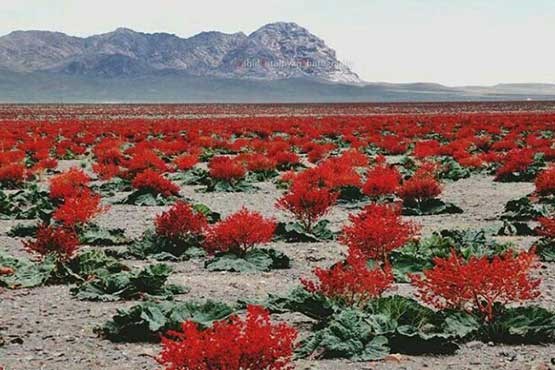
دشت ریواس جاذبه دیدنی این روزهای استان کرمان

به گزارش جام جم آنلاین ،شهر بابک استان کرمان آب وهوای مناسبی برای رویش این گیاه دارد به طوریکه دشت های این شهر به بزرگترین وزیباترین دشت ریواس کشور مشهورشده است .
این دشت در پایین دست کوههای مسینان ، میدوک و کنگ واقع شده است و در زمان گلدهی که اوایل تا اواسط اردیبهشت است کاملاً به رنگ قرمز در می آید و آنچنان صحنه ی زیبایی را ایجاد می کند که هر بیننده ای را به خود جذب می کند.و غالبا در این فصل گردشگران زیادی به این مناطق می روند.
گلدهی این گیاه وابسته به شرایط بارندگی است و در آب و هوای خنک و در مناطق کوهستانی رشد می کند به طوری که هم اکنون در مناطق دیگر شهرستان همچون آبدر ، کرم ، میمند ، دهج و پاقلعه نیز شاهد رشد این گیاه هستیم.
این گیاه از نظر غذایی دارای ویتامین های a، b، cو مواد معدنی همچون کلسیم ، پتاسیم و سدیم است و از نظر درمانی ، تقویت کننده اعصاب ، رفع نارسایی کبدی و برای دردهای معده بسیار مؤثر است.
این گیاه یک انگل کش قوی است . ریواس اثر ملین داشته و اشتها آور است وبرای افزایش اشتهاو یبوست مفید می باشد.تهیه خورشت ریواس نیز در اغلب شهرهای کشورها رایج است.
رشتهکوههای بینالود نیز محل رویش ریواس است از این روریواس را در نیشابور به راحتی میتوان یافت زیرا شرایط آب و هوایی این شهر در رویش این گیاه موثر است. برداشت این گیاه یک شغل فصلی را برای روستاییان نیشابور رقم زده است.برداشت این گیاه مراحل سختی دارد و فقط کسانی میتوانند این گیاه را برداشت کنند که مهارت کافی داشته باشند.
روستاییانی که سالها این کار را انجام میدهند از شب قبل به محل رفته و برای مدتی در آنجا چادر میزنند.
در نیشابور ریواس با مراقبتهای ویژه توسط کوهپایهنشینان شهرستان نیشابور و با وجود شرایط اقلیمی مناسب در دامنه رشته کوههای بینالود پرورش یافته و از اوایل اردیبهشت هرسال به مدت حدود یک ماه به بازار مصرف عرضه میشود.
تکثیر ریواس معمولاً با کشت در خزانه و انتقال به کشتزار و یا از طریق کشت بذر تازه صورت می گیرد.
Introduction Rhubarb ( Rheum rhabarbarum ) is an herbaceous ed - ible perennial and a member of the buckwheat fam - ily. It has also been classified as Rheum rhaponticum, Rheum x hybridum, and Rheum x cultorum , and there are many related, non-edible Rheum species. It is na - tive to Siberia, and has been used as a medicinal plant in Asia for over 5,000 years. Rhubarb was once a very well-known and popular vegetable in this coun - try. But it is not as widely grown as it was in the past. Introduced by European settlers in the 1700s, it is com - monly known as “pie plant” and is grown for its edible, but very tart leaf petioles (leaf stalks), which can reach 12 to 18 inches long and one to two inches thick with a crispy texture similar to a large celery stalk (Figures 1a, b). The leaves are toxic because of their oxalic acid (soluble oxalates) content, which can cause human and animal poisoning and must be trimmed from the peti - ole prior to use. Rhubarb has a mounding growth habit (two to four feet tall and wide) with large (up to 12 inches across), heart-shaped leaves (Figure 2). In the early spring, new leaves emerge erect from the center of the plant. Fig. 1a. Rhubarb stalks trimmed of leaves and bundled for market. Photos courtesy Hannah Stevens.
Rhubarb
 |
|
| Scientific classification | |
| Kingdom: | Plantae |
| (unranked): | Angiosperms |
| (unranked): | Eudicots |
| (unranked): | Core eudicots |
| Order: | Caryophyllales |
| Family: | Polygonaceae |
| Genus: | Rheum |
| Species: | R. rhabarbarum |
| Binomial name | |
| Rheum rhabarbarum L. |
|
ریواس در کشورمان کشت و کار نمی شود و هنوز مانند سایر کشورها به عنوان یک سبزی دارویی مطرح نیست. گونه های دیگر مانند Rheum palmatum و Rheum rhabarbarum در سایر کشورها مورد کشت قرار می گیرند. تکثیر این گیاه معمولا توسط ریزوم صورت می گیرد. ریواس ها گیاهانی هستند که نیاز زیادی به عنصر پتاسیم دارند و این استفاده از کودهای پتاسه در کشت این گیاهان دارای اهمیت ویژه ای است.
دمبرگ های این گیاه مورد برداشت قرار می گیرند.
برداشت ریواس از ۹۰۰ هکتار از ارتفاعات رشته کوههای بینالود در شهر خرو.
خَرْوْ شهری در استان خراسان رضوی در شرق ایران میباشد. این شهر در بخش زبرخان شهرستان نیشابور قرار دارد.
جمعیت این شهردر سال ۱۳۸۵، برابر با ۱۶٫۹۳۲ نفر بودهاست.
از نظر تقسیمات کشوری شهرخرو، جزءبخش زبرخان شهرستان نیشابور میباشد و بعد از نیشابور بزرگترین و پرجمعیت ترین نقطة شهری در شهرستان است، شامل چهار محلة بزرگ خروعلیا، خرو سفلی (با بافتی قدیمی، که ساکنان آن از سادات حسینی میباشند) شهرک امام رضا (ع) (با بافت جدید شهری) وساحل برج بامردمانی پرتلاش وخستگی ناپذیر ومهمان نواز، که البته به دلیل جمعیت زیاد ومحدودیت زمین، سرریز جمعیت این منطقه به محلة شهرک امام رضا وساحل برج وروستاهای اسدآباد وداس وشهرستانهای دیگر مهاجرت کردهاند. در حال حاضر جمعیت این شهر ۱۸۰۰۰ نفر میباشد.
این شهردرطول جغرافیایی ۵۸۱۷ تا۵۹۳۰ ودرعرض جغرافیایی۳۵۴۰ تا ۳۶۳۹ واقع شدهاست. بلندترین نقطة آن ارتفاعات شیرباد درحدود۳۲۰۰ متر دررشته کوه بینالودمی باشد.
ريواس، نامي براي گونههاي مختلف گياهان جنس Rheum است. بخش گستردهای از مناطق كوهستاني و سرد نيمكره شمالي، رویشگاه این گونه میباشد. تقریبا سرتاسر مناطق کوهستانی ایران از دامنههای بینالود در شرق گرفته تا رشتهکوههای البرز مرکزی، آذربایجان، کردستان، زاگرس، ارتفاعات مرکزی و بلوچستان، از رویشگاههای شناختهشده ریواس ایران هستند. همچنین این گیاه، در باورهای دینی آیین مزدیسنایی ایران باستان، پیشینهای ویژه دارد و در داستان اساطیری ایرانی پیدایش انسان آمده است که از نطفه نخستین انسان (کیومرث؛ به معنی «زندگی نامیرا»)، نخستین زوج بشر به نامهای مَشی و مَشیانه به صورت ریواسی از زمین روییدند، همانند و همبالا و به یكدیگر پیوسته بودند. سپس آفریدگار در آنها جان دمید و از یكدیگر جدا گشتند و به صورت انسان درآمدند. همچنین بنا به برخی روایات؛ ریواس، در ایران دوره مزدیسنایی، در درست کردن نوشابهای سپند به نام «هوم» بکار میرفته در آیینهای دینی زرتشتی در مقابل مجمر آتش (در آتشکده) استفاده میشده. آذربرزینمهر، آتشگاه کشاورزان ایران، یکی از سه آتشکده بزرگ ایران باستان بوده که بر کوه ریوند در نیشابور شعله میکشیده است.
باری؛ ريواس و فرآوردههای آن از ديرزمان، در ایران شناخته شده و مورد توجه بوده، و در منطقه نيشابور توسط كوهپايهنشينان «پرورش» مييافته. ریواس نیشابور، از دورانهای قدیم دارای آوازهای شایان بوده چنانکه در «احسن التقاسیم» مقدسی (قرن چهارم هجری) و «معجمالبدان» یاقوت حموی (قرن هفتم هجری) و ... به کیفیت، مرغوبیت و شهرت آن، در سطح جهان متمدن آن روزگاران، اشاره شده. از نوشتههای منابع تاریخی، چنین به نظر ميرسد كه ريشه اين گياه، در قديم، از نيشابور به ساير مناطق دنيا تجارت ميشده است. ریواس نیشابور، به علت شرایط مناسب اقلیمی کوهستان بینالود (کوه رئونت یا ریوند)، از مطبوعیت و کیفیت ویژهای برخوردار بوده و به عنوان «مرغوبترین ریواس ایران» شناخته میشود و با نمونههای ریواس دیگر نقاط جهان، قابل مقایسه و دارای امتیاز رقابتپذیری بسیار بالا میباشد. ثبت ملی دانش پرورش و فرآوری بومی ریواس نیشابور در فهرست میراث ناملموس کشور که با جشنی به همین مناسبت (برگزارشده در مهرماه 1395ش) همراه شد، گامی در راه برافراشتن دوباره برنده ریواس نیشابور در سطح ملی و پشتوانهای محتوایی برای ورود به بازارهای بینالمللی این محصول ارزشمند کشاورزی به شمار میآید.
وبنوشت «دانشنامه ریواس» (به عنوان کوششی در راستای گردآوری اطلاعات موجود به زبان فارسی؛ درباره گیاه ریواس، خواص و کاربردهای آن در حوزههای مختلف غذا و دارو (آشپزی و درمان)، بهداشت و سلامت، زیبایی و صنایع و رشتههای دیگر، و همچنین معرفی ریواس نیشابور) امیدوار است که به عنوان منبع مفید حوزه ریواسشناسی مورد توجه همه دستاندرکاران این حوزه، از تولید و پرورش گرفته تا فرآوری و توزیع، قرار گرفته و مجموعه اطلاعاتی که در این وبنوشت ارائه میشود بهانهای برای تلاش بیشتر در بهینهسازی و سودآوری دوچندان محصول ریواس (و بویژه ریواس نیشابور به عنوان شاخصترین ریواس ایران) گردد. علاوه بر مطالبی که در متن ریواسنامه در اختیار بازدیدکنندگان محترم قرار گرفته، اقلام اطلاعرسانی که در ستون سمت چپ و راست صفحه، دسترسی به اطلاعات سودمندی را میسر میسازند. قابل ذکر است که بخش «درباره ریواس» در ستون چپ صفحه، لینکهایی به مقالهها، مطالب و ویدئوهای مرتبط با ریواس را در دسترس شما قرار میدهد.
نوشتارهای بیشتر: رهاورد و نماد اقلیم نیشابور، ریواس؛ تاریخ و اسطوره، گیاهشناسی ریواس، فرآوردههای ریواس، خواص و مصارف ریواس، کشت و کار ریواس، ریواس در فرهنگ عامه، ریواسنوشتهها، ریواس و آشپزی
برچسبها: ریواس نیشابور, ریواس. توجه واین چنیین گویند که
معرفی و گیاهشناسی
در ابتدا بایستی به این نکته اشاره کنم که فقط گونه ی R.ribes بومی ایران است و سایر گونه ها که در کشورهای اروپایی به میزان زیاد کشت می شوند، بومی ایران نیستند. این مطلب (بخصوص قسمت کاشت، داشت و برداشت) منحصرا در مورد گونه ی R.ribes نیست و بطور کلی در مورد گیاهان جنسRheum است که دارای شباهت های زیادی در موارد مختلف هستند. ریواس یکی از گیاهان خانواده ی علف هفت بند است که کمتر مورد توجه قرار گرفته و اطلاعات بسیار محدودی در مورد این گیاه موجود می باشد. گیاهی است چندساله و ریزوم دار که ارتفاع آن گاها تا یک متر نیز می رسد. برگ های آن پهن و به حالت رزت می باشد که دارای دمبرگ های نسبتا طویلی هستند. گل های این گیاه بصورت گل آذین خوشه ی مرکب در بالای ساقه ی گل دهنده اش دیده می شوند. میوه ی این گیاه از نوع فندقه می باشد.
کاشت، داشت و برداشت
, Michigan State University IPM pro - gram, http://www.ipm.msu.edu/CAT01_veg/ V05-30-01Region3.htm Fig. 1b. Rhubarb trimmed with some leaf tissue remaining. Photo courtesy ZoeAnn Holmes, Food Resource Center, Oregon State University, http://food.oregonstate.edu/a/rhu - barb.html Fig. 2. Large rhubarb plant showing the size of the leaves. (Photo by A. Bratsch) www.ext.vt.edu Produced by Communications and Marketing, College of Agriculture and Life Sciences, Virginia Polytechnic Institute and State University, 2009 Virginia Cooperative Extension programs and employment are open to all, regardless of race, color, national origin, sex, religion, age, disability, political beliefs, sexual orientation, or marital or family status. An equal opportunity/affirmative action employer. Issued in furtherance of Cooperative Extension work, Virginia Polytechnic Institute and State University, Virginia State University, and the U.S. Department of Agriculture cooperating. RIck D. Rudd, Interim Director, Virginia Cooperative Extension, Virginia Tech, Blacksburg; Alma C. Hobbs, Administrator, 1890 Extension Program, Virginia State, Petersburg. 2 They develop from buds on fleshy red/brown rhizomes (Figure 3) that form a large, And, although we think of rhubarb as red, it can be either red or green (red is usually sweeter). Victoria is an heirloom variety that produces mostly green stalks and only the occasional red one. Cooked, the green stalks break down into a subtle pea-green puree, which, to my eyes, is quite pretty.slow-spreading, under - ground “crown” and a deep root system. The plant dies down with the first  frost
frost
. Each year the crown increases in size and the number of leaves it produces. Once es - tablished, rhubarb requires minimal care as compared to other perennial vegetable crops such as asparagus. Plantings can be long-lived and if managed correctly, can last 10 to 15 years or more. Like certain ornamental perennial species, rhubarb plants should be dug and divided every five to eight years to ensure vigor. These divisions are used to veg - etatively propagate the plant, though it is sometimes grown from seed. Plants can develop a strong, vigorous root system that responds to good soil tilth and organic matter additions. Rhubarb is a cool-season crop that has the potential to be grown successfully in most, but not all, parts of Virginia. It is extremely winter hardy. Depending on variety, it requires at least 500 hours of winter tem - peratures between 28° and 49°F (chilling hours) to ad - equately form new leaf buds. Thus its culture may be limited in the warmer southeastern Coastal Plain area, which may not experience duration of these tempera - tures. Cold requirements do vary among varieties, and “low-chill” varieties may perform adequately in warm - er Virginia locations. However, this varietal character - istic is often not reported or well-known, and growers should plant several varieties on a trial basis to see how they perform. In Southside and the Lower Piedmont re - gions north to Richmond, winter temperatures may be sufficient to allow bud formation, but supplementary water application and the use of straw mulch should be considered to help plants withstand drought and the stress of summer heat. The Upper Piedmont and Mountain regions and parts of Northern Virginia are the best areas for rhubarb production. Market Potential Rhubarb is an overlooked vegetable that can be a good choice as a complementary spring vegetable, particu - larly for strawberry growers, and other early-season roadside marketing and farmers market situations. The thick, edible petioles have a strongly tart-sweet flavor and are used most commonly in pies and other baked desserts. Rhubarb has particular market potential with older or retired people more familiar with this vegeta - ble (especially if they are from the Midwest and North Central states). Younger people may need education on the use of this once very popular vegetable, and the use of recipe cards can help to spur extra sales. Providing samples of freshly baked rhubarb pies, cobblers, or oth - er products can also help increase customer awareness of this vegetable. A row or two planted near the market is an attractive harbinger of spring and may be all that is needed to supply local demand. Rhubarb is grown commercially in the Pacific Northwest, California, and Michigan for both the fresh-shipping and processing markets (Figure 4). It is well-adapted to these regions that have mild summer temperatures. The shipping market is limited and com - petitive. The most promising wholesale market outlets are direct sales to restaurants and local or specialty gro - cery stores. As noted, for small-scale growers, direct marketing holds the most potential for sales. Besides fresh product, value-added uses for roadside and farm - Fig. 3. Rhubarb crown piece and emerging leaf. Photo courtesy David Graper, John Bell Department of Horticulture, South Dakota State, Pest Alert Newsletter, May 1, 1999, http://hflp.sdstate.edu/images/Rhubarb%20b are%20root%20plant2.jpg Fig. 4. Commercial rhubarb planting in Oregon. Photo courtesy Bill Mansour and ZoeAnn Holmes, Food Resource Center, Oregon State University, http://food.oregon - state.edu/a/rhubarb.html 3 ers market sales include baked goods, jams and jellies, and wine. Rhubarb also has potential as an organically grown crop. It has few pests and can be grown suc - cessfully with a limited pest management program and preventative production practices. Planting Considerations Varietal Characteristics and Sources Most commercially available varieties of rhubarb have been around for many years, and some are considered “heirloom” varieties. Few new varieties are being de - veloped in the U.S. though some new varieties are be - ing released in Europe, where the crop enjoys more attention. Generally, nurseries offer one or two variet - ies. The characteristics of available varieties are well known, but their performance in the various parts of the state are not widely reported. Growers are encour - aged to plant a number of different varieties and con - duct their own on-site performance evaluations. Growers select varieties based on stalk color (which can range in hue between red and green), plant size, stalk thickness and length, flavor and tartness, yield, depth of dormancy (winter chilling requirement), and the tendency to form seed stalks. Resistance to root or crown rot is also important, especially in heavy soils. Finding a particular variety of rhubarb is often a chal - lenge, though a number of online nurseries carry spe - cialty types. A few examples of more common variet - ies are listed below, and a nursery source list for some, but not all of these varieties is provided in Table 1. Tilden . Good red color, not upright, spreading, thick stalks. Victoria . French variety, good vigor, tart, long stalks, green with pink speckling, many seed stalks. Va l e nt i ne . Medium vigor, good red petiole color, few seed stalks. MacDonald . Fair pink-red color; very upright; many thinner, tender, moderate seed stalks; some resistance to crown rot problems, best for heavier soils. Crimson . Red color throughout stalk, thick. Canada Red . Cherry red through stalk, higher sugars, for cooler regions. Red Cherry . Reportedly low in chilling requirement, dominant California variety. Ruby Red . Long red stalks, deep red color, retains col - or well when cooked, vigorous, few seed stalks. Site Selection and Field Preparation The site should have an open sun exposure, though in warmer parts of the state, a site that provides protec - tion from the late afternoon sun with a tree line can help limit heat stress. Rhubarb does best in deep, well- drained, fertile loam soils that supply plants with ample organic matter. Soils should have a slightly acidic pH of 6.2 to 6.8. However, rhubarb is adaptable and can be grown in heavier clay soils, provided internal drainage is sufficient. Very sandy soils should be avoided unless significant organic matter additions can be made. A soil test should be conducted prior to planting to determine pH, phosphorus (P), and potassium (K) levels. Lime may be needed to adjust pH, and P and K levels should be amended to “moderate” soil-test levels. A minimum preplant application of 50 to 75 pounds P (as P 2 O 5 ) per Table 1. Nursery sources for rhubarb. Source Contact information Nourse Farms, Deerfield, Mass. (413) 665-2658; http://www.noursefarms.com/catalog/rhubarb 2 varieties Daisy Farms, Dowagiac, Mich. (269) 782-7131; http://www.daisyfarms.net/index.html 1 variety Gourmet Seed International, Tatum, N.M. (505) 398-6111; http://www.felcopruners.net/index.html seed only, 2 varieties Johnny’s Selected Seeds, Winslow, Maine (877) 564-6697; http://www.johnnyseeds.com/Home.aspx 1 variety Indiana Berry and Plant Company, Huntingburg, Ind. (800) 295-2226; http://www.inberry.com/index2.html 4 varieties 4 acre and 150 pounds K (as K 2 O) per acre should be made. Rhubarb is responsive to high organic matter levels, and when possible, an application of compost, old manure, or other form of degraded organic matter is recommended. The site should be moldboard- or chiseled-plowed, incorporating all preplant amendments. Crowns are susceptible to fungal problems and are not tolerant to water-logged, poorly drained soils. Soil drainage can be assessed by digging a 12-inch deep hole and filling it with water. It should percolate through within two to three hours. In heavy soils with high clay content, raised beds may be beneficial and increase internal drainage. Beds can be formed using a moldboard plow, disc-hillers, or hand constructed. Beds should be six to eight inches high and from three to four feet wide with a flat “table” or surface to discourage bed erosion. Rows or beds should be made at least five to six feet apart on-center but, depending on equipment, can be wider to allow access. Between the beds or rows, a per - manent sod can be seeded to support equipment traffic. A weed-free strip should be maintained between and around plants in the row. Handling and Setting New Plants The most common method of establishing a planting is using crown divisions. New plants (crowns) or divid - ed crowns from older plants can be used. Crowns are divided by cutting them into pieces with two to three buds each. Nursery stock should be ordered as soon as possible to ensure availability. Some nurseries adver - tise seed, and plants can be started a year in advance in the greenhouse for planting the following year. If the site or weather is not conducive to planting, crowns should be kept under refrigeration. The package should be monitored regularly to make sure crowns do not become moldy during temporary storage. Crowns that have been recently cut and divided should be allowed to open-air dry for a day or two before planting, and/ or dipped in a dry fungicide (such as Captan ™ ) to help reduce the chance of fungal infection. Planting can begin as soon as the soil can be worked in the spring. Small plantings are usually set by hand. Planting holes approximately 4 to 6 inches deep (de - pending on crown size) can be dug using a spade or post- hole digger. A field with plants spaced three feet apart in rows six feet apart requires 2,400 crowns per acre. New crowns are set in the holes with the crown buds po - sitioned just below the soil surface (approximately one inch). The soil is backfilled around and over the crown and firmed. Newly planted crowns should be irrigated to settle them in; however, a two- to three-day delay in watering may also help prevent root rots and allow fresh cut areas to heal over. The water should have a water- soluble fertilizer at transplant solution rates as indicated by the material label (i.e. 20-20-20 at one to two pounds per 100 gallons). An organic mulch such as straw will conserve moisture and help establishment. No harvest - ing should be done in the first year (see below). Seasonal Care Fertility and Irrigation Rhubarb is responsive to applied nitrogen (N) and de - velops vigorous and heavy growth under optimum fer - tility levels. Crop needs approach 75 to 100 pounds N per acre annually. Broadcast or banded applications on established plants should be made with the total rate split into three side-dressings: prior to growth in the spring, after growth starts, and again after the last har - vest. Rhubarb has minimal response to applied surface P; however, a soil test should be conducted every three years to determine K levels and supplemented if need - ed. Rhubarb responds to surface manure applications, and fall-applied “manure mulches” are beneficial to the crop. Nitrogen rates should be reduced by one-quarter to one-half when manure applications are made. Because of a strong root system, rhubarb is tolerant of moderately dry soils. However, irrigation should be pro - vided during periods of summer drought, with weekly rainfall and applied water equaling one to two inches per week. The soil type will determine irrigation fre - quency and the need for mulch. Lighter, well-drained soils will require more frequent irrigation than heavy soils and mulching will be more beneficial in reducing surface moisture loss. Weed and Pest Management Rhubarb curculio and crown rot can be problems, de - pending on the site. The rhubarb curculio can be man - aged by eliminating nearby curly dock weeds, which are a key host for the insect (Figure 5). Crown rot can be prevented by the selection of a well-drained site, plant - ing in raised beds for increased water drainage, and careful inspection of planting stock to ensure “clean” material, no soft spots, decay, or discoloration on the surface and cut areas of crowns. As noted, dusting roots with a fungicide may help prevent planting losses. 5 After rhubarb plants have been set, shallow cultiva - tion or mulching can help control any weeds. The large leaves will eventually shade the soil, and provide a good measure of weed control. Mulching with strawy ma - nure each dormant season also will help to keep weed germination down and the soil moist and cool during the summer months. Weed, insect, and disease control guidelines are not currently provided for the state of Virginia with this crop. Recommendations can be found in the “Midwest Vegetable Production Guide for Commercial Growers” from Purdue University (see Additional References). Renovation and Other Management Rhubarb is a perennial crop that will remain productive for many years before it requires renovation or crown divisions. Dividing the crowns keeps plantings vigor - ous and productive. If plants are not divided periodi - cally, they will steadily decrease in productivity and be more prone to insects, diseases, and bolting (see below). Renovation can be a significant undertaking, depending on the size of the planting. In larger com - mercial plantings, growers may simply kill the crop by herbicide application in mid-summer, and replant the following spring with newly purchased crowns in a new location. Renovation is done during late winter or early spring and involves digging and lifting whole crowns or splitting them in place with a sharp spade. If the crown is lifted whole, it is divided into pieces and replanted using sets that have at least two to three buds. Replanting can be done in the same site or a new site, though the latter is recommended. If the crown is split in place, a piece is lifted out and a piece is left in the ground where it will regrow and renew the planting. The divisions should provide many new crowns for a second planting and significantly increase the acreage. Crown divisions can also be sold to other growers, gar - den centers, or home gardeners. Avoid replanting any diseased, soft, or rotten crowns. Bolting or seed-stalk formation is induced by physi - ological stress and the age of the planting (Figure 6). The tendency to bolt is also a varietal characteristic. The green-stalked varieties are more susceptible than red varieties. Environmental stress factors that cause bolting include low fertility levels, excessive heat, in - tervals of heat and cold, shorter day lengths (for sensi - tive varieties), and drought. The age of the planting is also a factor, and excessive bolting is often an indicator that renovation and crown division are needed. Bolting usually occurs midway through the season after the plants have developed a full canopy. The flower stalks should be cut out while they are still young and not allowed to mature and develop seeds. Removing seed stalks will increase crown bud formation and yields in the following year. Prior to the first freezing temperatures in the fall, the top growth can be mowed using a Bush Hog ® or flail type mower. This can help decrease foliar diseases. A two- to three-inch mulch of wheat straw or sawdust/bark (or manure mix) over the row decreases the potential for the soil to frost heave during the winter months. Harvest and Handling Harvesting Notes Rhubarb will begin to emerge early in the spring after temperatures have consistently reached the upper 40°F range for several weeks (Figure 7). Leaves should be allowed to fully develop, late April into May depend - ing on location, before harvesting. As noted, no har - Fig. 5. Curly dock plant which serves as alternate host for rhubarb curculio. Photo courtesy Mary Smith, New York State College of Veterinary Medicine, Cornell University, http://web.vet.cornell.edu/CVM/HAND - OUTS/plant/oxalates05_files/frame.htm Fig. 6. Early seed stalk formation in rhubarb. (Photo by A. Bratsch) 6 vesting (also termed “pulling”) should be done the first year, and only a light harvesting (two to four stalks per plant) should be done in the second year. In the third year, four to six weeks of pulling can be tolerated, de - pending on plant vigor. Established plantings can be harvested for eight to 10 weeks or longer if the plant is growing vigorously. A good rule of thumb for harvest is to never remove more than two-thirds of existing stalks at any given time and always leave at least 10 to 12 stalks. New, but full-size stalks are harvested by pulling upward with a light sideways twist, which fully breaks the stalk from the point of attachment. Stalks should not be cut as the remnant stalk base decays and may create entry points for disease. A mature plant can produce an average of two to three pounds of stalks per season. Rhubarb can easily be over-harvested, resulting in loss of vigor and greater susceptibility to diseases. Handling Notes Stalk quality is highest and fiber lowest in the early spring; however, a well-cared for planting can be har - vested sporadically throughout the summer months. The leaf blades should be trimmed off and the stalks bundled in one- to two-pound units for sale. Harvested stalks may be stored for two to four weeks at 32°F and 95 percent relative humidity. Quality for culinary use or freezing is best when stalks are first harvested ver - sus after a storage period. As rhubarb begins growth early in the spring, emerg - ing growth and new leaves often become damaged by frost. Frost-damaged leaves should be removed and discarded, as oxalic acid in the leaves can migrate into the stalk under freezing stress. The soluble oxalates found in fresh leaves and frosted stalks are toxic to humans, and they should not be fed to livestock. The soluble oxalate content in rhubarb leaves has been measured at 5.8 percent. It is estimated based on poi - soning studies with sheep and Halogeton, a rangeland weed with high oxalate content, that approximately 18 ounces of rhubarb leaf could be fatal, with less caus - ing sub-lethal organ damage. A good source of infor - mation on oxalate poisoning of livestock is provided by the Poisonous Plants Course at New York State College of Veterinary Medicine, Cornell University (see Additional References). Notes on Off-Season Greenhouse Forcing Rhubarb is unique in that crowns can be dug and “forced” during the winter months. After the crowns have reached their chilling requirement in the late fall, they are dug and placed in a heated (50° to 56°F) greenhouse. They are placed on a dirt floor, tightly packed with covering soil, kept moist, and allowed to grow. Plants are usually harvested twice a week for four to six weeks. Detailed information on green - house rhubarb forcing can be found in the Oregon State University Commercial Vegetable Production Guides (see Additional References). Summary Rhubarb represents a unique crop that has a place in most direct-market settings, with limited wholesale potential to restaurants and local grocery stores. The popularity of this crop has fallen, partly due to less in- home processing. It suffers from lack of familiarity by young consumers; however, through education in the marketplace, sales can be increased. It is a perennial crop that can be productive for many years with the right field setting and management. Compared to many crops, rhubarb is relatively easy to grow, with only a few important insect and disease problems. Additional References Poisonous Plants Course links to Oxalates PowerPoint presentations, New York State College of Veterinary Medicine, Cornell University, http://web.vet.cornell. edu/CVM/HANDOUTS
/plants/index
.چگونه ریواس را با بذر بکاریم Growing Rhubarb from Seed
Many gardeners are familiar with growing rhubarb from divisions or crowns, but if you want to start a large rhubarb patch quickly, without spending a lot, growing rhubarb from seed is the answer. The stems of rhubarb grown from seed will not all have that intense red color you might be used to. Some stems will be red, some green, and some in between. But they will all taste the same, perfect for your home-cooked pie. If you want all red stalks, get divisions from a friend or neighbor or buy crowns from your local nursery.
When starting your seeds, remember that rhubarb is a cool-weather crop. In climate zones 6 and cooler, it’s an easy-to-grow perennial (traditionally planted where there used to be an outdoor privy). The stalks and leaves die back with first frost in the fall, but the plants will come right back in early spring. In zones 7 to 8, growing rhubarb is tricky. but it can be grown as a short lived perennial. You will need to be careful to shelter your rhubarb plants from extreme summer heat. Choose a location with afternoon shade in the summer. The north side of a grape arbor, raspberry patch, or asparagus ferns would work well. In areas with very hot summers, where winters are mild (zones 9 to 10), rhubarb can be grown from seed as a winter annual. ECHO ("Educational Concerns for Hunger Organization") in Florida has had good luck with planting rhubarb seed in August and harvesting in March-May. The variety Victoria is noted as a productive late summer/early fall started annual from almost subtropical Florida to semi-arid northeast Texas. Read how to do this in “Growing Rhubarb from Seed as an Annual” below. Starting Rhubarb Seeds
Rhubarb seeds are encased in a large paper-like shell. To speed germination, soak your seeds in water for 1-2 hours before planting. If you’re starting indoors, plant the seeds in screened compost or other suitable organic planting mixture, 2 seeds per 2 to 3 inch pot. Using peat pots or cow pots makes transplanting easier. For spring plantings a heating cable or mat will speed the germination if the room temperature is below 70°F. Rhubarb seeds germinate quickly when planted in the warmth of late August or early September. Keep your seedlings evenly moist but don’t over-water (the seedlings can die from root rot if the ground is too wet). Growing Rhubarb from Seed as a Perennial
To start rhubarb in the spring (zones 8 and lower), sow seed in pots or flats under cover 8-10 weeks before your average last frost. Transplant the young plants out into the garden about two weeks before your average last frost, into an area amended with compost or well rotted manure and plenty of organic matter. The plants should be about 4 inches tall. Mulch your seedlings to maintain even soil moisture and keep the roots cool. Harden plants off before transplanting or protect the new transplants with row cover until danger of frost has passed.
Choose a location protected from the heat. The warmer your climate, the more important it is to provide afternoon shade (on the west and south) during the hottest months. A row of tall annual plants (your late summer tomatoes or pole lima beans), shade cloth, or a temporary structure can provide adequate shade that you can remove when the weather cools. Always remember to maintain even moisture. Letting your young rhubarb plants dry out in hot weather is the kiss of death. Growing Rhubarb from Seed as an Annual
To grow rhubarb as an annual in the fall and winter (zones 9 and higher), start the seeds in a cool location (a bright indoor spot or a shady outdoor place) from late August to early October. Transplant into the garden when the seedlings reach about 4 inches tall. The plants will be ready for harvest in March through early May. Intense summer heat will kill the plants, so harvest all the leaves in late spring. This technique only works where winters are very mild, or if you can protect the plants from damaging frost with a cold frame or row cover
. Rhubarb emerging in the early spring. Photo Courtesy Susan Mahr, University of Wisconsin, وحال به دیگر گیاهان خوارکی وداروی طبیعی می پردازیم - بشنو از طبیعت چون حکایت می کند.
1-شنگ یا اسپلنج وحشی باغی و در طبیعت دیگر با نام علمی Tragopogon collinus گیاهی از خانواده Asteraceae است و با نام محلی شن یکی از گیاهان خوراکی خودروی استان و متعلق به خانواده کاسنی یا Compositae است. 
فارسی این گیاه شنگ است، در شیراز و اصفهان به شنگ آلاله و در خراسان ریش بز خالدار خطاب می کنند. به این گیاه قندرون، سنسفیل، تسلسفیل، اسپلنج و اسفلنج هم می گویند. در عربی نوع چمنی این گیاه که برگ های آن باریک تر از شنگ می باشد، لحبه النبس و زنب الخیل است. ولی در عراق و شامات به آن اذناب الخیل می گویند.گیاه شنگ به میزان زیاد از اسهال و خونریزی جلوگیری کرده و ریشه آن مقویتر از برگش است، ضمن اینکه شنگ در تحلیل ورم و تقویت اعصاب نیز مفید است. مصرف موضعی پودر گل و ریشه گیاه باعث تسریع التیام در روی زخم های چرکی و متعفن سودمند می باشد. ضماد آن را برای التیام عصب قطع شده مفید دانسته اند. ضماد گل شنگ با موم، جهت سوختگی با آتش مفید است. ریشه این گیاه در طب سنتی جهت سمیتزدایی بدن مورد استفاده قرار میگیرد، حکیم محمد بن زکریای رازی خوردن ریشه گیاه شنگ را پادزهر سموم می دانست. عصاره گیاه شنگ که در طب سنتی ایران طرثوت خوانده شده است پادزهری قوی است و در ساختن تریاق فارون به کار می رود. برای معالجه نزله ریویی، نقرس، رماتیسم و امراض جلدی جوشانده شصت گرم ریشه شنگ را تجویز کرده اند.
فواید و خواص سبزی کارده در طب سنتی

کارده نوعی گیاه خوراکی ترد شکننده با برگهای پهن است. اسم کارده گرفته شده از ویژگی برندگی برگ آن هنگام تازه خوری است یعنی اگر برگ کارده را به صورت تازه مصرف کنیم اصطلاحا زبان را می برد . از مصارف محلی آن می توان به غذای آش کارده اشاره کرد. آش کارده سوپ سرد افراد سرما خورده نیز هست که معتقدند جلوی عفونت را می گیرد. از اهمیت دارویی این گیاه می توان به درمان بیماری هایی چون چربی خون ، فشار خون ، عفونت ، دیابت و یرقان اشاره کرد
آش كارده يكي از غذاهاي سنتي معروف شیراز است که از قدیم مانند گیاه ریواس از کوه دراک بالای قصردشت مردم بومی گرد اورذی می کردنند، براي پخت اين آش ابتدا ماست را نگه داشته تا ترش شود، سپس مقداري جو نارس، شويد، سيب سبز، پوست نارنج خلال شده به همراه علف كارده و آب داغ را مخلوط كرده و هم ميزنيم. البته تا زمان پخته شدن بايد آن را هم زد تا بريده نشود و همچنين بهدليل جلوگيري از زخم شدن دهان نبايد آنرا تا قبل از پخته شدن چشيد. پس از آنكه آش غليظ شد شعله را خاموش كرده و آماده براي خوردن ميشود.
3-چویل .....در زندگی روزمره عشایری و روستای لرها وترکها که در ارتفاعات زاکرس و... سپس شهریهای پیشر علم ودانش برای خوش عطر نمودن بعضی مواد غذایی وخوش بونمودن مشک های تازه ساخته وپرداخته شده از پوست بز یا میش استفاده می شده است . همچنین از چویل به عنوان گیاهی برای ضد عفونی فضای محل زندگی نیز ستفاده می کرده اند . زنان پس از اینکه پوست بز را برای حمل ونگهداری روغن حیوانی دباغی نمودند وجداره ی داخلی آن را پرداخته نمودند (جداره ی بیرونی پوست را به همان شکل باقی می گذارند تا وجود موهای کوتاه روی پوست بز مانع از تراوش روغن از طریق منافذ پوست به بیرون شود در صورتیکه برا ی تهیه مشک آب وجهت تبادل حرارت وخنک نگهداشتن آب جدارهی بیرونی پوست را نیز دباغی می کنند ) و نام آن را "خیگ " می گویند مقداری از برگها وساقه ی این گیاه علفی را درون خیگ روغن می گذارند تا ضمن خوش عطر وبونگهداشتن روغن در فصل زمستان که این روغن را مصرف می کنند خود را از عطر وبوی چویل محروم نکنند .
(برای تهیه خیگ به دلیل ضخامت ، دوام ونفوذ پذیری کمتر ، تنها از پوست بز استفاده می شود ).
گیاه بن سرخ
4-بن سرخ با نام های دیگر«پیاز یزدی» ، « لپو» و «سوره بنه» گیاهی است شبیه به تره که در كوه ها می روید، به صورت تازه و خشك درون پلواستفاده می شود و طعم مطبوع و مزه خاصی به غذا می دهد. بن سرخ به صورت مجزا و با پیاز یا به صورت آبکی نیز پخت می-گردد. گونه دیگر آن بنام «لیزك» در كوههای روستای دشتک ابرج در نزدیكی روستای بیزجان کردستان می روید .
«بن سرخ» که در زبان کردی و اورامی به «سوره بنه» نیز مشهور است از گیاهان دارویی و بسیار مفید مورد استفاده در مناطق کردستان و اورامانات است و به طور اختصاصی در عراق و نواحی غربی ایران می روید. گیاه بن سرخ دارای خواص دارویی و شفا بخش بسیاری است که هنوز ناشناخته و مطالعه نشده مانده است.
بعضی ها گویند بن سرخ همان لیزک است وبعضی گویند نزذیک به هم واز یک خانواده لیکن یکی کرک دارد دیگری ندارد.
5-بیلهَر یا کندل کوهی (Dorema aucheri) یکی از گیاهان از خانواده چتریان و از راسته کرفس سانان است. بیلهر در ایران از جمله در بلندیهای بالای ۲۵۰۰ متر در استان کهگیلویه و بویراحمد میروید. بر روی این گیاه مطالعات بسیاری انجام شده نتایج این تحقیقات نشان داد احتمالا گیاه بیلهر به خاطر داشتن ترکیبات فلاونوییدی که دارای خواص آنتیاکسیدانت نیز هستند باعث افزایش مونوسیتها میشود. همچنین به نظر  میرسد فلاونوییدها با مهار تولید ترومبوکسان A2 میزان پلاکتها را نیز کاهش میدهد.
هر چند گیاه بیلهر دارای مضرات اثبات شده ای از جمله احتمال سرطان زایی می باشد اما مصرف بی رویه این گیاه در مناطق کوهستانی باعث شده تا این نمونه زیبایی طبیعی در حال انقراض قرار گیرد. مردم استان کهگیلویه و بویراحمد بیلهر را به صورت بخارپز همراه با ماست و یا به صورت ترشی مصرف می کنند.
6- گیاه کنگر این نام در بین روستائیان وعشایر و شهر نشینان کاملا اشنا اما چرا این گیاه معرف در ایران همانند بسیاری از گیاهان دیگر نهوز در بخش باغبانی ناشناخته است و زراعی نشده عیب از کنگر و دیگر کنگران نیست عیب از بخش وزرات کشاورزی است .
ضدعفونیكننده، اشتهاآور، تببر و هضمكننده غذاست و درضمن، مصرف آن باعث تقویت دستگاه گوارش میشود. این گیاه و بهخصوص برگ آن ادرارآور و نیروبخش است و در ضمن قلب را نیز تقویت میكند. كنگر در درمان یرقان، نارسایی كبد و كمخونی مؤثر بوده و از كبد در برابر سموم شیمیایی محافظت میكند.خوراک دام وهزاران ....اگر می خواهید فرق بدانیید تماس حاصل نمایید اما گاراتی با خود فروشنده است.
بذر جاشیر خوراکی و دامی - پاکان بذر
... جاشیر خوراکی و دامی. تصاویر بذر جاشیر خوراکی و دامی ... درصد قوه نامیه بذر جاشیر خوراکی: 70%. وزن هزاردانه بذر جاشیر . انچه من میدانم بذر و شکل ظاهری خوارکی ودامی فرق می کند وخوراکی طعم ان شیرینتر و برگها پر برگچه تر است ودامی تندتر واسانس زیاد تر و افرادی که حساسیت دارند از نزدیک شدن به ان رنج می برند.
7-نام علمی: Prangos ferulacea
درصد خلوص بذر جاشیر خوراکی 95%
درصد قوه نامیه بذر جاشیر خوراکی: 70%
وزن هزاردانه بذر جاشیر خوراکی: 265 گرم
فصل رشد گیاه جاشیر:
این گیاه در اوائل بهار بعد از ذوب شدن برف ارتفاعات از زمین بیرون میاید و تا اواخر اردیبهشت و اوائل خرداد ماه به رشد خود ادامه می دهد. و تمام تابستان، پائیزو زمستان را در حال خواب میگذراند .
نحوه ي تکثیرگیاه جاشیر:
تکثیر گیاه معمولا" از طریق بذر می باشد. بذر بعد از رسیدن در خاك قرار می گیرد. در بهار سال بعد بذر جوانه میزند و رشد مینماید. بوته جاشیر در سال اول به بلندي 10 تا 20 سانتیمتر میرسد. بوته گیاه در هر سال بیش از دو یا سه ماه بر روي زمین باقی نمیماند. بعد از، از بین رفتن بوته ریشه گیاه در خاك باقی میماند و در سال بعد گیاه جدیدي از سلولهاي زاینده آن بوجود میاید. رویش گیاه در سالهاي بعد بتدریج زیادتر شده بطوریکه بعد از شش تا هشت سال گیاه به رشد نهائی خود میرسد که معمولا" همزمان با تولید گل و میوه می باشد.
رویشگاه جاشیر:
جاشیر بطور خودرو در نقاط کوهستانی در ارتفاعات برف گیر میروید. منطقه جنگلی کوه نورگان گوغر در شمال شرقی
مرکز دهستان گوغر در شرق روستاي چفریز واقع شده است. مهمترین رویشگاه گیاهان دارویی همچون جاشیربه شمار می آید که از دیرباز در اقتصاد ساکنین منطقه نقش بسزایی داشته است. جاشیر از گونه هاي مهم مرتعی موجود درفریدونشهر است.
جاشیر گیاهی دارویی و بومی نواحی جنوبی ایران است که در طب سنتی در درمان بسیاری از اختلالات مورد استفاده بوده و تحقیقات متعددی در جهت شناسایی ترکیبات گیاهی و خواص درمانی آن انجام گرفته است.
خواص دارویی جاشیر:
جوشیر صمغی است که از گیاهی به همین نام گرفته میشود.
اين گياه يكي از داروهايي است كه براي بيماريهاي كليوي استفاده مي شود. ادرار آور است و حتي در مواردي بند آمده ها را باز مي كند و قطره قطره ادرار كردن كه از مشكلات مجاري ادراري است توسط اين گياه قابل درمان است و بطور كلي باز كننده ي مجاري ادرار مي باشد.شکل ظاهری خوراکی معمولا شبیه این است ویا با ساقچه بازتر...
مقوي سيستم دستگاه عصبي است. براي سرد مجازها، داروي خوبي است كه در رابطه با لقوه و رعشه استفاده مي شود.
از سرشاخه هاي اين گياه به صورت سبزيهاي خوراكي استفاده مي شود. از كوبيده ي برگ و عصاره آنها براي درمان دندان درد استفاده مي شود.
از عصاره ريشه آن استفاده هاي صنعتي مي شود مثل تهيه مواد آرايشي يا تهيه مُسكِن.
اين گياه مثل بعضي از گياهان، گياهي سمي است بنابراين مقدار مصرف، زمان مصرف و دوره درماني آن بايد توسط پزشك تعيين شود.

اين گياه را همراه مرزن جوش استفاده مي كنند زيرا مرزن جوش عوارضي را كه اين گياه مي تواند بوجود آورد تعديل كرده يا كاهش مي دهد.

اين گياه اصولاً در ارتفاعات رويش دارد و داراي گلهاي زرد با ساقه هاي بلند است. وحال باید اشاره کرد که به جاجوق چه گویند جاجوق نام گیاه خاصی نیست بلکه از ترکیب جاشیر خوراکی وکنگر وغیره در ماست ودوغ بخته و روال خاص خود دارد.
یادتان باشد کمی مزه نفت چراغی می دهد تصویر در ذیل ....ایا رضا شاه به ایران و مردم ایران و اسلام خدمت کرده است یا خیانت مردم وتاریخ گذشته ایران باید قضاوت کننددر هنگام این مطلب با قران مشورت کردم و سوره السراء امد.
8- گیاه قَزیاقی بسیاری از ایرانیان قدیم که هنوز سبزیجات اصلاح شده در ایران رواج نداشت در زمان رضا شاه کم کم اصلاح بذور سبزیجات ومیوهجات و حیوانات رواج گرفت حتی در انسانها هم نیاز است که اگر بخواهم توضیح دهم مثنوی هزارمن کاغذ است .
و اینکه قزیاقی را می شناسند مانند مردم شیراز ودر باغهای اطراف بخصوص قصرالدشت و دیگر روستاها سید محمود گوید درسفری که در ارمنستان رفتم ان را در بازار مشاهده کردم. چرا این گیاه ذیل در ایران جزو سبزیجات روزانه نیست سئوالی است بزرگ .ادویه کاسنی بعضی از افراد می گویند ما بیکاریم وکار نداریم فکر نان کن که خربزه اب است این اذر گفت ////
نام گیاه:کاسنی...

نام علمی:cichorium intybus

خانواده:کاسنی.کاشت کاسنی بصورت زراعی .

نام های دیگر:کاسنی وحشی،کاسنی تلخ،کاسنی صحرائی،شکوریا،هندبا ، شاقزگل، سیکوریا، کاسنی دشتی، کسنی، کسناج
زمان گلدهی: تیر تا پایان شهریور...
زمان برداشت ریشه :شهریور تا اواخر مهر
قسمت های مورد استفاده: بذر کاسنی ،ریشه کاسنی ،گل کاسنی ،ساقه کاسنی عرق کاسنی ماست و پخته کاسی کبد شوی باکاسنی وووووو.
شرح:
گیاهی علفی،پایا با ریشه ای مخروطی شکل است که ساقه ای راست و شاخه دار دارد.برگ های زمینی نوک دراز دارد که به سمت پایین سرازیر است.برگ های روی ساقه آن به صورت سر نیزه ای و بدون دمبرگ است گل های آن به رنگ آبی هستند که از بغل برگ ها می رویند . این گیاه به مقدار زیادی در اروپا،آفریقا وآسیا در حاشیه مزارع و مراتع به طور خودرو می توان دید. اندام دارویی آن ریشه ، گل و برگ گیاه می باشد . ریشه ها را هنگامی که از خاک خارج شد باید کاملا تمیز کرد و سپس آن را به قطعات کوچک برید و سریعا با حداکثر ۵۰ درجه سانتی گراد حرارت خشک کرد. خشک شده آن دارای عطری شبیه به ادویه و طعمی تلخ است. این ریشه تا ۲۰ درصد محتوی نوعی ماده تلخ ،اینولین،تانن و قند است. این مواد ترشح صفرا را بالا می برد و چون شیره معده را تحریک می کند باعث افزایش اشتها می شود.جوشانده آن به مقدار ۲ تا ۴ گرم در هر فنجان آب (دو فنجان در روز) ملین و محرک است. از این جوشانده هنگام ابتلاء به بیماری کبدی، سنگ های صفراوی یا کلیوی و همچنین در درمان ورم های مجاری ادرار استفاده می شود.ماده اینولین هم چنین اثر مثبتی در مداوای دیابت دارد.برگ های آن همچنین دارای املاح سولفات ، فسفات سدیم ، منیزیوم،پتاسیم و نیترات پتاسیم همراه با گلیکوزیدی به نام شیکورین می باشد.طبیعت برگ کاسنی سرد و تر و طبیعت ریشه آن گرم و خشک و طبیعت تخم کاسنی سرد و خشک است.کاسنی برای زندگی رطوبت و اب شیرین می خواهد.در باغات ودر کنار جوی ابها ودر مزارع گندم ودر اقلیم های پر باران اگر علف کش نزنند دیده می شود .
ناگفته نماندبه گزارش ایرنا، آذربایجان غربی از گذشته های دور رویشگاه انواع گیاهان خوراکی و کوهی بوده است و مردم سالیانه بیش از ۶۰ گونه از گیاهان این منطقه را برداشت می کنند.
تاکنون ۵۰۰ گونه گیاهی دارویی از جمله کاسنی، شب بو و نعناع، بولاغ اوتی، ختمی، چوبان کبریتی، بادرنجبویه، شیرین بیان، ثعلب، مرزه، اله گز، نسترن، موسیر، گندله، داغ جعفری سی، داغ قارپیزی، دوه دابانی، مندی، قوش اوزومی، داغ سقزی،
9- این مطلب ادامه دارد...
 تحصیلات ;سید محمود جعفری.کارشناس ارشد وزارت جهاد کشاورزی )